





Public Sector Decarbonisation Scheme PSDS
The Public Sector Decarbonisation Scheme provides grants for public sector bodies to fund heat decarbonisation and energy efficiency measures. It supports the aim of reducing emissions from public sector buildings by 75% by 2037, compared to a 2017 baseline, as set out in the 2021 Net zero strategy: build back greener and the HM Gov: Heat and Buildings strategies.
- Phase 4 of the Public Sector Decarbonisation Scheme.In February 2024, the Department for Energy Security and Net Zero (DESNZ) confirmed Phase 4 of the Public Sector Decarbonisation Scheme (PSDS), to be delivered by Salix Finance. Read more about Phase 4.
- Phase 3 of the Public Sector Decarbonisation Scheme will provide over £1.425 billion of grant funding over the financial years 2022 to 2023 and 2025 to 2026, through multiple application windows in November 2021-23.
- Phase 2 of the Public Sector Decarbonisation Scheme provided £75 million of grant funding for the financial year 2021-2022. It had a stronger focus on heat decarbonisation than Phase 1 in order to deliver greater carbon emission reductions. It supported the public sector in taking a ‘whole building’ approach when decarbonising their estates.
- Phase 1 of the Public Sector Decarbonisation Scheme provided £1 billion in grants over the financial years 2020-2021 and 2021-2022 as part of the Chancellor’s Plan for Jobs 2020 commitment to support the UK’s economic recovery from COVID-19. It aimed to support up to 30,000 jobs in the low carbon and energy efficiency sectors and reduce carbon emissions from the public sector.
The department’s delivery body, Salix Finance, manages the Public Sector Decarbonisation Scheme. Visit the Salix Finance site for more information about the scheme.
The Public Sector Low Carbon Skills Fund provides grants for public sector bodies to put in place a heat decarbonisation plan, providing them with information they need to develop future applications to the Public Sector Decarbonisation Scheme.
Both the Public Sector Decarbonisation Scheme and the Public Sector Low Carbon Skills Fund are open to public sector bodies in England and areas of reserved public services across the UK.
For further details on each phase visit UK Gov Public Sector Decarbonisation Scheme
[edit] Related articles on Designing Buildings
- Carbon.
- Decarbonise.
- Decarbonisation solutions.
- Decarbonising concrete in the UK.
- London plan.
- Carbon capture and storage.
- Carbon emissions.
- Carbon footprint.
- Carbon negative.
- Carbon neutral.
- Carbon Takeback Obligation CTBO.
- Climate Change Act.
- Embodied carbon.
- Keeping 1.5°C Alive: Closing the Gap in the 2020s.
- Low carbon.
- Net zero and green jobs.
- Net-zero carbon.
- Operational carbon.
Featured articles
Check out some of the best features and news from Designing Buildings as well as key stories from around the web.
Building Safety Regulator, 19 August

Gill Kernick appointed Independent Chair of Residents’ Panel.
Connecting knowledge, technology and conservation
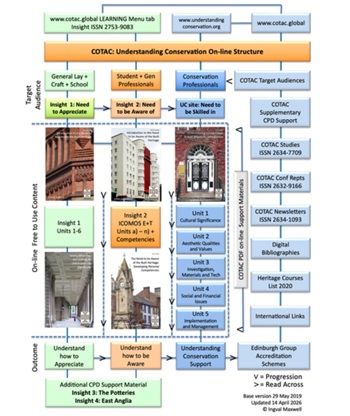
Building competence for the future of built heritage.
Building Regulations and Building Safety Act

CIOB publishes free advice for non-domestic clients.

Building Safety Newsletter from MHCLG.
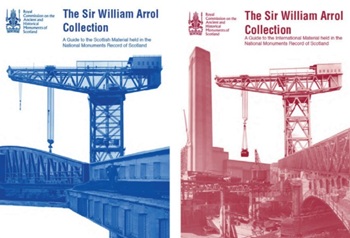
An extraordinary record of steel engineering worldwide.
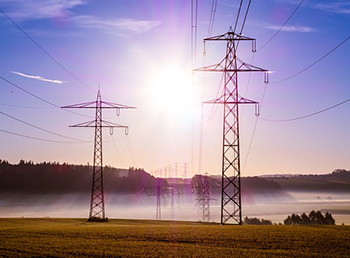
Households living near new pylons to save on bills.

ECA warns growth must not outpace grid capacity or skills.
The role of the client and decision making

CIOB response to built environment professions call for evidence.
Construction's sustainability reporting revolution
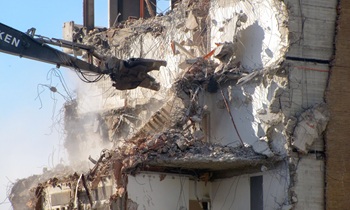
Tracking upfront embodied carbon with digital tools.
ECA welcomes procurement reforms
Public spending must back British jobs and skills.
Campaigning for Edinburgh: the Cockburn Association 1875-2049

The role of the civic voice in protecting character. Book review.

CIOB photography competition is open for entries.